

What causes high blood pressure?
The reading comes back higher than last time. You feel perfectly well, you do not think of yourself as a stressed person, and nobody quite explains where the extra points came from. It is tempting to blame age, or your parents, and leave it there.
Age and family history do play a part, but a slow one. Far more often, what pushes blood pressure up is the stuff of ordinary life: salt hidden in everyday food, weight around the middle, a few too many drinks, long sedentary days, poor sleep, constant pressure — and occasionally something in the medicine cabinet. Much of that is something you can change.
In brief: age sets the pace, habits set the level
Blood pressure tends to rise with age as the arteries gradually become stiffer, which is why high blood pressure is so common after 50. But the same birthday can come with very different readings. What usually makes the difference is how much salt someone eats, how much weight they carry around the waist, how much they drink, how active they are, how they sleep and whether they smoke.
For about nine in ten people there is no single cause: doctors call this primary (or essential) hypertension, and it is the sum of many small pushes. In a smaller group, a specific medical problem or medicine is responsible — secondary hypertension — and treating that cause can bring blood pressure down.
For the positive side of the same coin, read our guide on how to lower blood pressure naturally. If you are wondering whether you would even feel it, start with high blood pressure symptoms.
- Age raises blood pressure slowly; lifestyle can raise it much faster.
- Salt and excess weight are the two biggest everyday levers.
- Painkillers, decongestants and liquorice are the hidden medicine-cabinet factors.
Why some factors push blood pressure up
Blood pressure depends on two things: how much blood the heart pumps, and how much resistance the arteries put up. Almost every factor on this page works by changing one or both of them.
The volume. The kidneys decide how much salt and water the body keeps. Eat more salt than they can comfortably clear, and the body holds on to extra fluid to dilute it. More fluid in the circulation means more pressure on the artery walls — which is why salt has such a direct effect.
The arteries. Healthy arteries are elastic: they stretch with each heartbeat and relax between beats. With age, smoking, and years of raised pressure, they gradually stiffen and narrow, so the same heartbeat produces a higher peak. This is why systolic pressure, the top number, tends to climb in later life.
The nervous system and hormones. Stress, short sleep, sleep apnoea and nicotine switch on the body’s “fight or flight” response, which speeds the heart and tightens the blood vessels. Excess body fat, particularly around the abdomen, affects hormones that control salt balance and vessel tone.
Direct effects of other conditions. Kidney disease, some hormonal disorders and a few medicines act on these same systems directly, which is why they can raise blood pressure on their own.
The key distinction
It helps to sort causes into three groups. Factors you cannot change — age, family history and ethnic background (risk is higher in people of Black African, Black Caribbean and South Asian heritage). Lifestyle factors you can change — salt, weight, activity, alcohol, smoking, stress and sleep — which are the focus of this page. And medical causes that need a doctor: kidney disease, hormonal conditions such as an overactive adrenal gland or thyroid, sleep apnoea, narrowing of the arteries to the kidneys and some medicines. Measurements and tests, not guesswork, are how these are told apart.
The most common factors, ranked by how much they matter
Not every factor applies to everyone. This framework helps you decide where to start: two factors matter for almost everyone, three depend on how you live, and the rest are more individual.
Salt and excess weight
These have the strongest and most consistent effect on blood pressure, they affect a large share of adults over 40, and both can be changed. If you only work on two things, make it these.
Alcohol, inactivity and smoking
Regular drinking above the guidelines, long sedentary days and smoking each push blood pressure up or multiply the harm it does. Their impact depends on how much and how often.
Stress, poor sleep and some medicines
These vary a great deal between people. Untreated sleep apnoea or a daily anti-inflammatory painkiller can have a large effect; for others, stress mostly matters through the habits it drives. Worth checking rather than guessing.

- Salt: In a Cochrane review and meta-analysis of randomised trials lasting at least four weeks, cutting salt by around 4.4 g a day lowered blood pressure by about 4/2 mmHg on average, and by about 5/3 mmHg in people who already had high blood pressure (He, Li & MacGregor, BMJ, 2013). In the DASH-Sodium trial, the lower the salt, the lower the blood pressure (Sacks et al., NEJM, 2001). The NHS advises no more than 6 g a day; many adults eat considerably more without ever picking up a salt shaker.
- Excess weight, especially around the waist: Extra weight makes the heart work harder and affects the hormones and kidney signals that regulate pressure. The link works in reverse too: a meta-analysis of 25 trials found that blood pressure fell by roughly 1 mmHg for every kilogram lost (Neter et al., Hypertension, 2003).
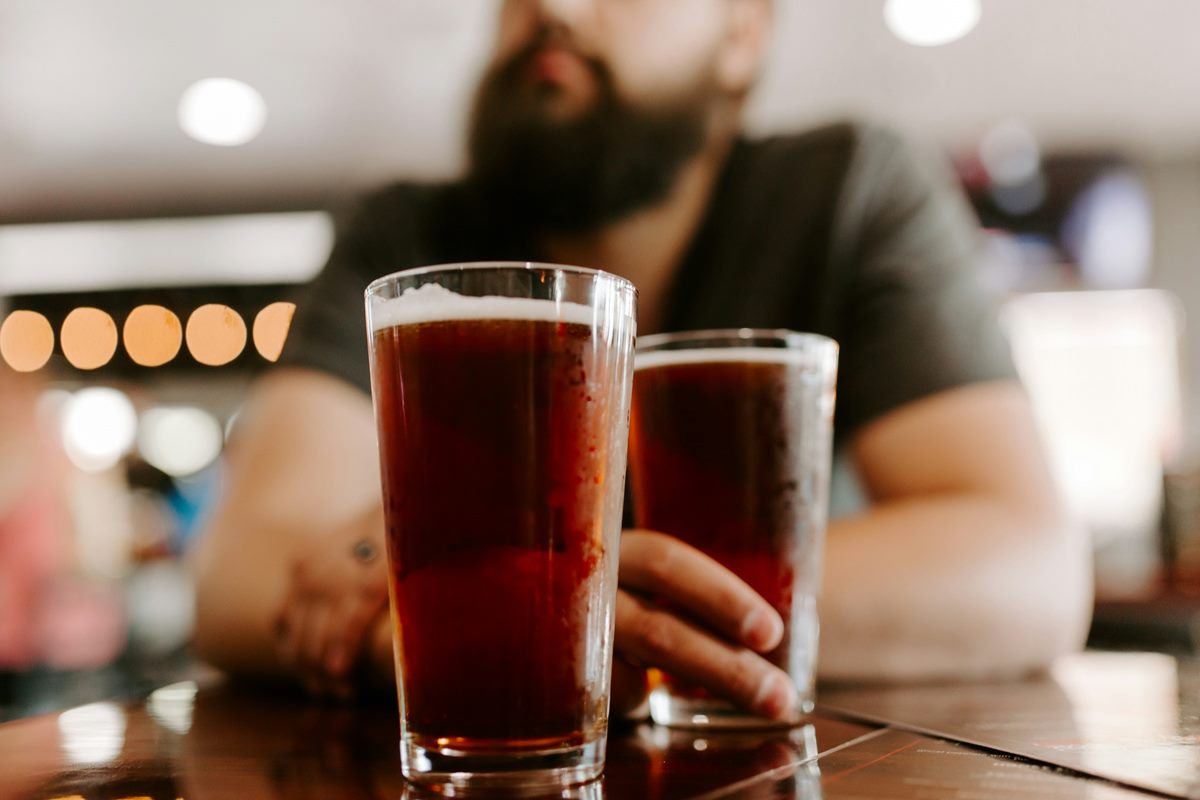
- Alcohol: Drinking more than the recommended limits raises blood pressure over time, and it adds calories that tend to settle around the middle. In regular heavier drinkers, cutting down usually lowers readings within weeks.
- Inactivity: Regular movement keeps the arteries more flexible and the heart more efficient. Long sitting days remove that protection and make weight gain more likely. A large 2023 analysis found that every type of exercise studied lowered resting blood pressure (Edwards et al., Br J Sports Med, 2023).
- Smoking: Nicotine raises blood pressure and heart rate for a while after every cigarette, and smoking damages the lining of the arteries. It does not cause long-term hypertension in quite the same way as salt or weight, but it multiplies the risk of heart attack and stroke that high blood pressure brings.
- Stress: Adrenaline and a faster heartbeat push blood pressure up in the moment. In practice, long-term stress does most of its damage indirectly: shorter sleep, more drinking and smoking, comfort eating and skipped exercise.
- Poor sleep: Regularly sleeping too little is linked with higher blood pressure, and obstructive sleep apnoea, where breathing repeatedly stops during the night, is one of the most common identifiable causes of high blood pressure that is hard to control.
- Low potassium intake: Potassium helps the kidneys get rid of salt. Diets low in vegetables, fruit and pulses tend to be low in potassium and high in salt — a combination that works against healthy blood pressure.
The trigger in your medicine cabinet
This deserves its own section because it is common, it is genuinely important, and it is easily missed — many of these products are bought without a prescription.
Anti-inflammatory painkillers (NSAIDs) such as ibuprofen, naproxen and diclofenac, taken regularly, can make the body hold on to salt and water. They can raise blood pressure and make blood pressure medicines work less well. An occasional dose is rarely a problem; daily use for joint or back pain is worth discussing.
Decongestants in many cold and flu remedies, such as pseudoephedrine and phenylephrine, narrow the blood vessels and can push blood pressure up. Pharmacists can suggest alternatives if you have high blood pressure.
Other medicines that can raise blood pressure include the combined contraceptive pill (which is why blood pressure is checked before and during use), steroid tablets such as prednisolone, some antidepressants such as venlafaxine, and some migraine and weight-loss treatments.
Liquorice and stimulants. Real liquorice — in sweets, some herbal teas and remedies — contains glycyrrhizin, which makes the body keep salt and lose potassium; eaten regularly in large amounts it can raise blood pressure noticeably. Energy drinks, high-dose caffeine products and some “fat-burning” supplements can do the same in the short term.
A practical rule
Never stop or change a prescribed medicine yourself. If you take a regular medicine or buy painkillers or cold remedies often, show the packet to your pharmacist or GP and ask whether it could be affecting your blood pressure, and whether there is an alternative. The same applies before starting any supplement, including turmeric or black pepper extract, which can interact with blood thinners and some other medicines.
How the weight–inactivity–sleep loop builds itself
The factors on this page rarely arrive one at a time. More often they lock together into a loop that feeds itself, which is why so many people describe a slow climb in their readings rather than a single moment when things changed.
It usually starts innocently: a demanding job, caring for a parent, a run of late nights. Short sleep raises appetite and cravings for quick, salty and sugary food, and tired people move less — the evening walk is the first thing to go.
Over months, weight settles around the middle. That extra weight pushes blood pressure up and raises the risk of sleep apnoea, which breaks sleep up further and adds its own surges in blood pressure through the night. Back to the start, a little worse each time.
The way out is not heroic. Because every link connects to the next, improving any one of them — most often sleep, movement or salt — starts to loosen the others.
Sleep apnoea: the hidden link
Loud snoring, pauses in breathing that a partner notices, waking unrefreshed and dozing off in the daytime are classic signs of obstructive sleep apnoea. It is common in people who carry extra weight, it is strongly linked with high blood pressure — especially blood pressure that stays high despite treatment — and it is very treatable. If this sounds familiar, mention it to your GP.
Work, worry or screens cut sleep below what you need.
Energy dips and cravings for quick, salty, sugary food climb.
Walks and exercise get dropped; evenings are spent on the sofa.
Abdominal fat rises and pushes blood pressure up with it.
Snoring and possible sleep apnoea add night-time surges in pressure.
Fix one link — usually sleep, movement or salt — and the others start to ease.
How these factors show up in everyday life
Few people set out to raise their blood pressure. It happens through the shape of an ordinary week — which is exactly where the fixes are too.

Desk jobs and commuting
Eight hours at a desk plus an hour or two in a car or train leaves little room for movement. Standing up and walking for a few minutes each hour, taking calls on foot and building a walk into the commute all add up.
Social evenings
Drinks after work, a salty takeaway and a late night are the classic triple hit: alcohol, a day’s worth of salt in one meal and broken sleep. Keeping some evenings alcohol-free and choosing lower-salt options usually helps more than avoiding social life altogether.
Sleep and screens
Scrolling in bed pushes bedtime later and keeps the brain switched on. A fixed wake-up time, a screen cut-off 30 to 60 minutes before bed and a dark, cool bedroom protect the hours when blood pressure should naturally dip.
Winter and colder weather
Blood pressure tends to run a little higher in the colder months, when blood vessels narrow to conserve heat and people move less and eat more comfort food. Keeping warm, staying active indoors and taking daylight walks are simple counter-measures.
What to do when your readings start to creep up
A reading above 140/90 at the pharmacy, or a home average above 135/85, is worth taking seriously — but it is a reason to act sensibly, not to panic or to buy the first “blood pressure cure” you see online.
One reading proves little. Use a validated upper-arm monitor, sit quietly for five minutes, and take two readings morning and evening for about a week. Write them all down.
Check labels: more than 1.5 g of salt per 100 g is high. Bread, cereals, ready meals, processed meat, cheese, sauces and takeaways are the usual culprits. Aim for no more than 6 g a day.
A gradual loss of 5 to 10% of body weight is realistic and meaningful for blood pressure. Aim for smaller portions with plenty of vegetables, pulses and fibre — not a crash diet.
UK guidelines recommend at least 150 minutes of moderate activity a week, plus strength exercises on two days. Our guide on lowering blood pressure naturally covers how to start, including simple wall sits.
The NHS low-risk guideline is no more than 14 units a week, spread over three or more days, with several drink-free days. That is roughly six pints of average-strength beer.
It is the single best thing you can do for your heart and arteries. The NHS offers free support, and stop-smoking medicines and services greatly improve the chances of success.
If you regularly take anti-inflammatory painkillers, decongestants, the combined pill or steroids, ask your GP or pharmacist whether they could be relevant. Never stop prescribed medicines on your own.
You cannot remove stress, but you can give it an outlet: exercise, time outdoors, talking to someone and firm limits on late-night work. Aim for seven to nine hours of sleep.
Curious about turmeric and black pepper, two of the most talked-about natural options? Our guide on whether turmeric helps blood pressure looks at what the research does and does not show, and who should be careful.
Common mistakes that make things harder
The internet is full of “blood pressure triggers” lists and quick fixes. Some of the advice is sound; much of it distracts from what actually matters.
Blaming it all on stress
Stress is real, but it is rarely the whole story. Assuming that a stressful job explains everything can mean ignoring the salt, the weight, the drinking or the snoring that are doing more of the work.
Watching the salt shaker, not the label
Putting the salt cellar away helps, but most salt is already in processed food. Bread, breakfast cereal, cheese and a ready-made sauce can add up to a day’s allowance before you have seasoned anything.
Assuming “natural” means harmless
Liquorice teas and sweets, some herbal remedies and stimulant “detox” or “fat-burner” products can raise blood pressure or interact with medicines. Natural is not the same as safe for everyone.
Trusting a single reading
One high reading after a rushed walk to the pharmacy — or one reassuring reading on a calm Sunday — tells you little. Blood pressure varies through the day; an average over several days is what counts.
Stopping tablets when readings look good
Good readings on treatment usually mean the treatment is working. Stopping blood pressure medicine on your own can let readings rebound. Any reduction should be planned with your doctor.
Believing “cure” promises
Products that claim to “normalise” blood pressure in days or let you ditch your medication are selling hope. No supplement replaces less salt, a healthier weight, regular movement and medical care when it is needed.
When a medical assessment is important
Many of the factors that raise blood pressure are about everyday habits and respond to change. Some situations still need a doctor, and a few need one quickly.
Call 999 if…
- a reading of 180/120 mmHg or more comes with chest pain, breathlessness, a severe headache, confusion or changes in your vision,
- you notice signs of a stroke: the face drooping on one side, weakness or numbness in an arm, or slurred speech — even if they pass quickly,
- you have sudden, severe chest or back pain.
Arrange a GP appointment if…
- your home readings average 135/85 mmHg or more, or a clinic or pharmacy reading is 140/90 mmHg or more,
- you are under 40 and have high blood pressure — NICE recommends considering a specialist check for an underlying cause,
- your blood pressure has risen suddenly, is very high, or stays high despite taking several medicines,
- you snore loudly and wake unrefreshed, or a partner has noticed pauses in your breathing,
- you regularly take painkillers, decongestants, steroids or other medicines that could be playing a part,
- you are over 40 and have not had your blood pressure checked in the last five years.
High blood pressure is diagnosed with repeated measurements, not a single reading, and often a week of home readings or a 24-hour monitor. Your GP may also check your kidney function, blood salts, cholesterol and blood sugar, test a urine sample and arrange an ECG, both to look for a cause and to see whether blood pressure has already affected the heart or kidneys. Lifestyle changes and food supplements can support everyday wellbeing alongside whatever is found; they do not replace diagnosis or treatment.
Editorial note
This page provides general information and practical day-to-day guidance. It does not replace a medical diagnosis, personalised advice or care from a healthcare professional.
Vitalvyn as complementary support
Understanding what pushes blood pressure up is the first step. Less salt, a healthier waistline, sensible drinking, regular movement, better sleep and medical care when it is needed do the heavy lifting — and nothing in a capsule replaces them.
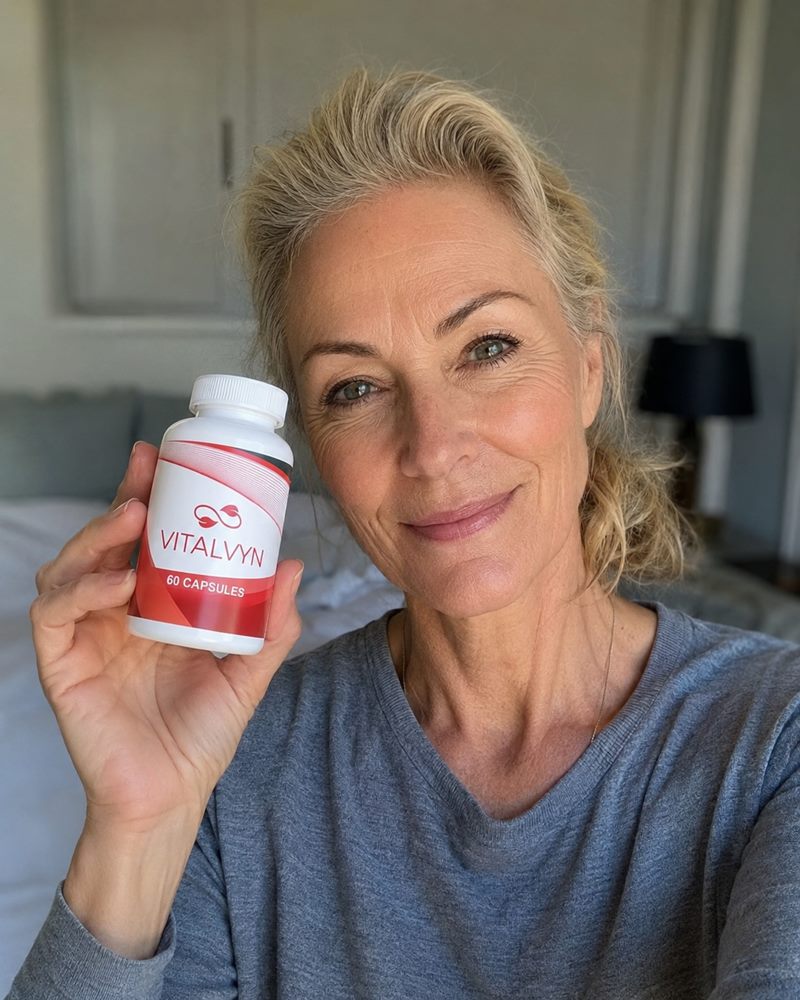
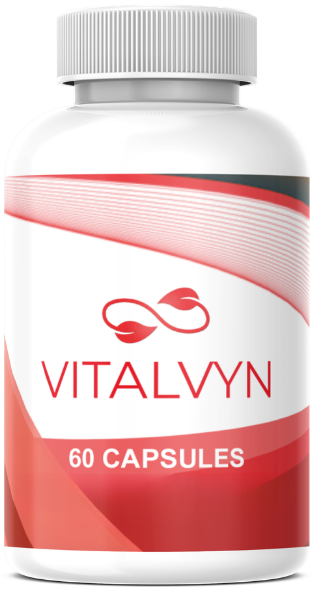
Vitalvyn is a food supplement that can sit alongside those habits as one small part of a daily routine: one capsule twice a day, 20 to 30 minutes before a meal with a glass of water. It is not a medicine, it does not treat high blood pressure, and it does not replace anything your doctor has prescribed.
- Turmeric root powder (1,200 mg per two capsules) – the whole spice, Curcuma longa.
- Turmeric extract (100 mg, standardised to 95% curcuminoids) – providing 96.8 mg of curcumin, the most studied compound in turmeric.
- Black pepper extract, BioPerine® (10 mg, 95% piperine) – included because piperine increases how much curcumin the body absorbs.
- Three ingredients with every amount printed on the label — no proprietary blend. 60 capsules per bottle, enough for 30 days.
Not suitable for anyone under 18 or for pregnant or breastfeeding women. Turmeric and piperine can interact with some medicines, including blood thinners, antiplatelet drugs and diabetes treatments, so if you take regular medicines or have a condition such as gallstones or liver disease, check with your doctor or pharmacist first. We explain the full label, the research, the company and the guarantee on our Vitalvyn transparency page.
Frequently asked questions: what causes high blood pressure?
What is the most common cause of high blood pressure?
For about nine in ten people there is no single cause. Blood pressure rises gradually through a combination of factors: getting older, family history and ethnic background, together with too much salt, excess weight, too little physical activity, regular drinking, smoking, long-term stress and poor sleep. Several of the biggest of these can be changed.
Does salt really raise blood pressure?
Yes. Salt makes the body hold on to extra fluid, which raises the pressure inside the arteries. In a large analysis of randomised trials, cutting salt by about 4.4 g a day lowered blood pressure by around 4/2 mmHg on average, and by more in people who already had high blood pressure. Most of the salt we eat is already in bread, cereals, ready meals, processed meat, cheese and sauces. The NHS advises adults to have no more than 6 g of salt a day.
Can stress cause high blood pressure?
Stress raises blood pressure in the moment, through adrenaline and a faster heartbeat, and the reading usually settles once the stress passes. Long-term stress mostly works indirectly: it tends to shorten sleep and increase drinking, smoking and comfort eating while crowding out exercise. Managing stress helps, but it is rarely the only factor worth looking at.
Does alcohol raise blood pressure?
Regularly drinking more than the recommended limits raises blood pressure over time, and alcohol is also high in calories that add to weight around the waist. In heavier drinkers, cutting down usually lowers blood pressure within weeks. The UK low-risk guideline is no more than 14 units a week, spread over three or more days with several drink-free days.
Can medicines raise blood pressure?
Some can. Anti-inflammatory painkillers such as ibuprofen and naproxen, decongestants in cold and flu remedies, the combined contraceptive pill, steroid tablets and some antidepressants can raise blood pressure, and large amounts of liquorice can too. Never stop a prescribed medicine on your own; ask your GP or pharmacist whether it could be playing a part and whether there is an alternative.
Does coffee raise blood pressure?
Caffeine causes a short rise in blood pressure, especially in people who do not usually drink it. For most people, a few cups of coffee or tea a day is not a problem, but very strong coffee and energy drinks can add up. Avoid caffeine for 30 minutes before you measure your blood pressure, so the reading reflects your usual level.
Can blood pressure come down once the cause is dealt with?
Often, yes. Eating less salt, losing excess weight, being more active and drinking less can each lower readings by several points, and the effects add up. When a medicine or a condition such as sleep apnoea or kidney disease is behind it, treating that cause can help too. Some people still need blood pressure medicine, and lifestyle changes add to its effect.
When should high blood pressure be checked for an underlying cause?
A doctor is more likely to look for a specific cause, known as secondary hypertension, if high blood pressure appears before the age of 40, rises suddenly, is very high, or stays high despite several medicines. Tests may include kidney function, blood salts, hormones and a urine sample. Call 999 if a reading of 180/120 mmHg or more comes with chest pain, breathlessness, a severe headache, confusion, changes in vision or weakness on one side of the body.
Sources and further reading
- He FJ, Li J, MacGregor GA. Effect of longer term modest salt reduction on blood pressure: Cochrane systematic review and meta-analysis of randomised trials. BMJ. 2013;346:f1325. PMID 23558162
- Sacks FM, Svetkey LP, Vollmer WM, et al. Effects on blood pressure of reduced dietary sodium and the Dietary Approaches to Stop Hypertension (DASH) diet. N Engl J Med. 2001;344(1):3–10. PMID 11136953
- Neter JE, Stam BE, Kok FJ, Grobbee DE, Geleijnse JM. Influence of weight reduction on blood pressure: a meta-analysis of randomized controlled trials. Hypertension. 2003;42(5):878–84. PMID 12975389
- Edwards JJ, Deenmamode AHP, Griffiths M, et al. Exercise training and resting blood pressure: a large-scale pairwise and network meta-analysis of randomised controlled trials. Br J Sports Med. 2023;57(20):1317–26. doi 10.1136/bjsports-2022-106503
- NICE: Hypertension in adults: diagnosis and management (NG136)
- NHS: High blood pressure (hypertension) · Salt: the facts · Alcohol units
Tackle the causes first — then add support that fits
Vitalvyn can be one small part of a routine built on less salt, regular movement, a healthy weight and sensible drinking. It does not treat high blood pressure or replace prescribed medicine. If your readings are high, rising or worrying, medical advice comes first.
Learn more about VitalvynVitalvyn is a food supplement, not a medicine. Use it realistically: as a complement to a healthy lifestyle, not as a promise.
Wondering whether Vitalvyn is legitimate? Read our transparency article: Is Vitalvyn a scam or legit?