
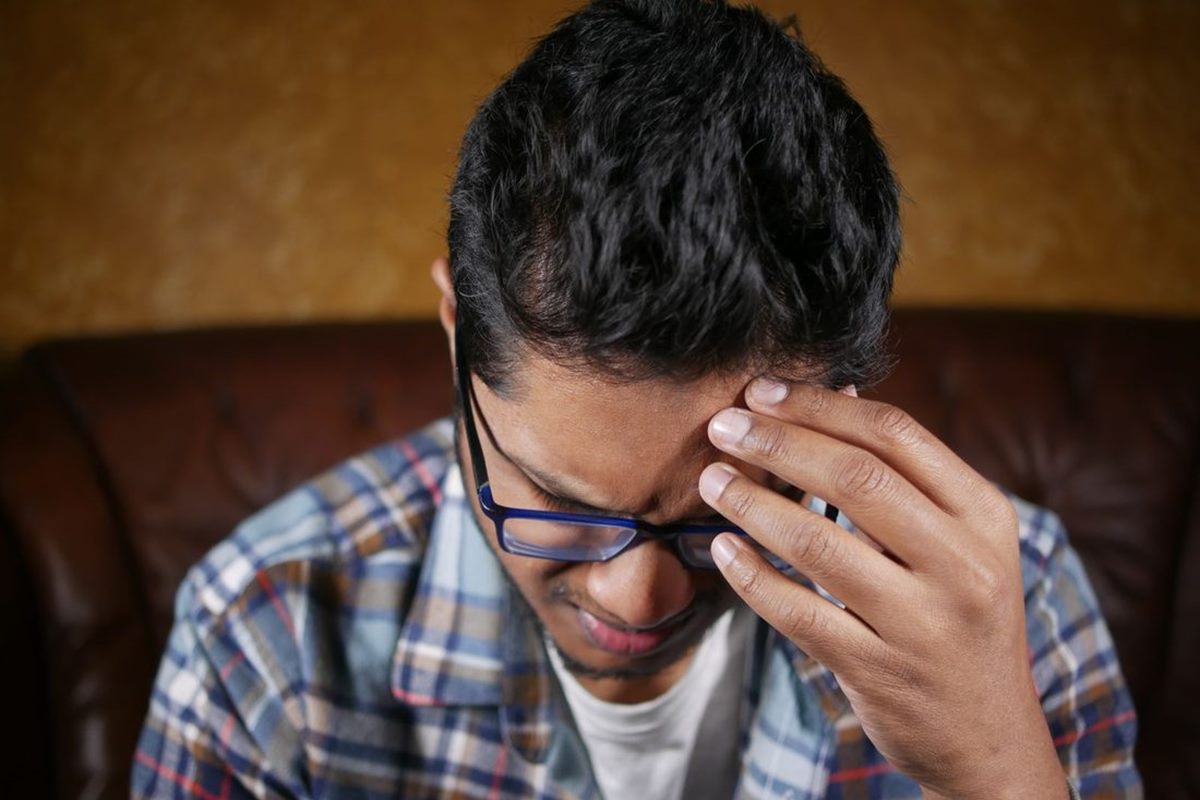
High blood pressure symptoms: the signs worth knowing
A thumping headache, a flushed face, a dizzy moment when you stand up — it is natural to wonder whether your blood pressure is to blame. The surprising truth is that high blood pressure usually feels like nothing at all. Here is what the common “symptoms” really mean, which warning signs need help straight away, and why a cuff tells you more than any feeling.
In brief: you cannot feel your blood pressure
High blood pressure is one of the most common long-term health problems in the UK, and one of the easiest to miss. The NHS is clear that it rarely has noticeable symptoms. Most people find out at a routine check, a pharmacy reading or an appointment about something else entirely.
That is exactly what makes it risky. Raised pressure can quietly strain the heart, arteries, kidneys and eyes for years before anything feels wrong. Meanwhile, many of the sensations people blame on blood pressure — tension headaches, a red face, feeling wound up — usually have nothing to do with it.
If you already know your numbers are high, our guide on how to lower blood pressure naturally covers the everyday habits that bring it down. This article focuses on the signs: what is a myth, what is real and what needs urgent help.
- Most people with high blood pressure have no symptoms at all.
- Headaches, nosebleeds and flushing are rarely caused by it.
- A very high reading with chest pain, confusion or weakness needs 999.
What is actually going on when blood pressure is high
Blood pressure is the force of blood pushing against the walls of your arteries. It is meant to rise and fall through the day. The problem is when it stays high most of the time.
Each reading has two numbers. The first, systolic pressure, is the peak as the heart beats; the second, diastolic pressure, is the lowest point as the heart relaxes. The NHS describes ideal blood pressure as between 90/60 and 120/80 mmHg. A reading of 140/90 mmHg or more at a surgery or pharmacy, or an average of 135/85 mmHg or more at home, is considered high.
When pressure stays raised, the heart has to work harder with every beat and the artery walls gradually thicken and stiffen. This happens slowly and silently. There are no nerves that register “high pressure” in the way you would feel a sprained ankle, so the body simply adapts — and you feel normal.
That is why the only reliable way to know your blood pressure is to measure it. The NHS recommends that every adult over 40 has their blood pressure checked at least every five years, and more often if it has been raised before.
Important: feeling fine is not the same as being fine
Many people put off a check because they feel well, or assume their blood pressure must be normal because they never get headaches. Neither is a reliable guide. Equally, if you already take blood pressure medicine, feeling well does not mean you no longer need it — it usually means it is working. Never stop or change prescribed treatment without speaking to your doctor.
Six things people link to high blood pressure — and what is true
These are the “symptoms” people most often ask about. In everyday life, most of them have other causes. What matters is the context — and a measurement.
Headaches
Everyday headaches are very rarely caused by raised blood pressure; tension, dehydration, poor sleep, eye strain and too much caffeine or alcohol are far more common culprits. The exception is very high blood pressure, where a sudden, severe headache — especially with confusion, vision changes or weakness — can signal an emergency.
Dizziness
Dizziness is not a typical sign of high blood pressure. It is more often linked to pressure that is too low, dehydration or inner-ear problems, and it can be a side effect of blood pressure medicines, especially when standing up quickly. Sudden dizziness with loss of balance, slurred speech or a weak arm is different and needs a 999 call.
Nosebleeds
Most nosebleeds are caused by dry air, colds, nose-blowing or minor knocks, and they are rarely a sign of high blood pressure on their own. Very high pressure can make a nosebleed harder to stop, so frequent or heavy nosebleeds are still worth mentioning to a GP.
A red or flushed face
Flushing happens when blood vessels in the face widen, usually because of heat, exercise, alcohol, spicy food, embarrassment or the menopause. Blood pressure can rise briefly in some of these situations, but a red face tells you nothing about your readings the rest of the time.
Blurred vision
Over the years, high blood pressure can damage the small blood vessels at the back of the eye — something an optician may spot before you notice anything. Sudden blurred or lost vision, particularly with a severe headache or a very high reading, is an emergency.
Tiredness
High blood pressure on its own does not usually make people tired. Poor sleep, sleep apnoea, stress, anaemia, thyroid problems and diabetes are more likely causes. Some blood pressure medicines can cause tiredness, though, and that is worth discussing with your GP rather than putting up with.
The pattern is clear: none of these signs is a reliable way to tell whether your blood pressure is high. The genuinely dangerous ones are those that come on suddenly and severely, often together — and we list them under when to get help below.
A typical day in the life of your blood pressure
Blood pressure is not a fixed number. It changes from minute to minute with what you are doing, how you are feeling and even where it is being measured. Laid out as a timeline, a perfectly ordinary day shows several natural rises and falls.
This is why a single reading proves very little. A reading taken in a rush, straight after a coffee or in a doctor’s surgery can be noticeably higher than your usual level — the so-called white-coat effect. And it is why doctors now often ask for a week of home readings, or a 24-hour monitor, before making a diagnosis.
The useful part: because high blood pressure is about the average level over weeks and months, it is your everyday habits that move it most.
Deep sleep. Blood pressure is usually at its lowest of the day.
Waking up. Pressure rises naturally as the body gets ready for the day.
Strong coffee and a rushed commute. A short-lived rise.
A tense meeting. Stress pushes pressure up for a while.
A brisk walk. Up during exercise, often a little lower afterwards.
Pharmacy check after work. Nerves can add points: the white-coat effect.
Winding down at home. Readings settle as the body relaxes.
What makes readings jump
Many “scary” readings come from how the measurement was taken. Before you worry about one high number, check whether any of these applied.
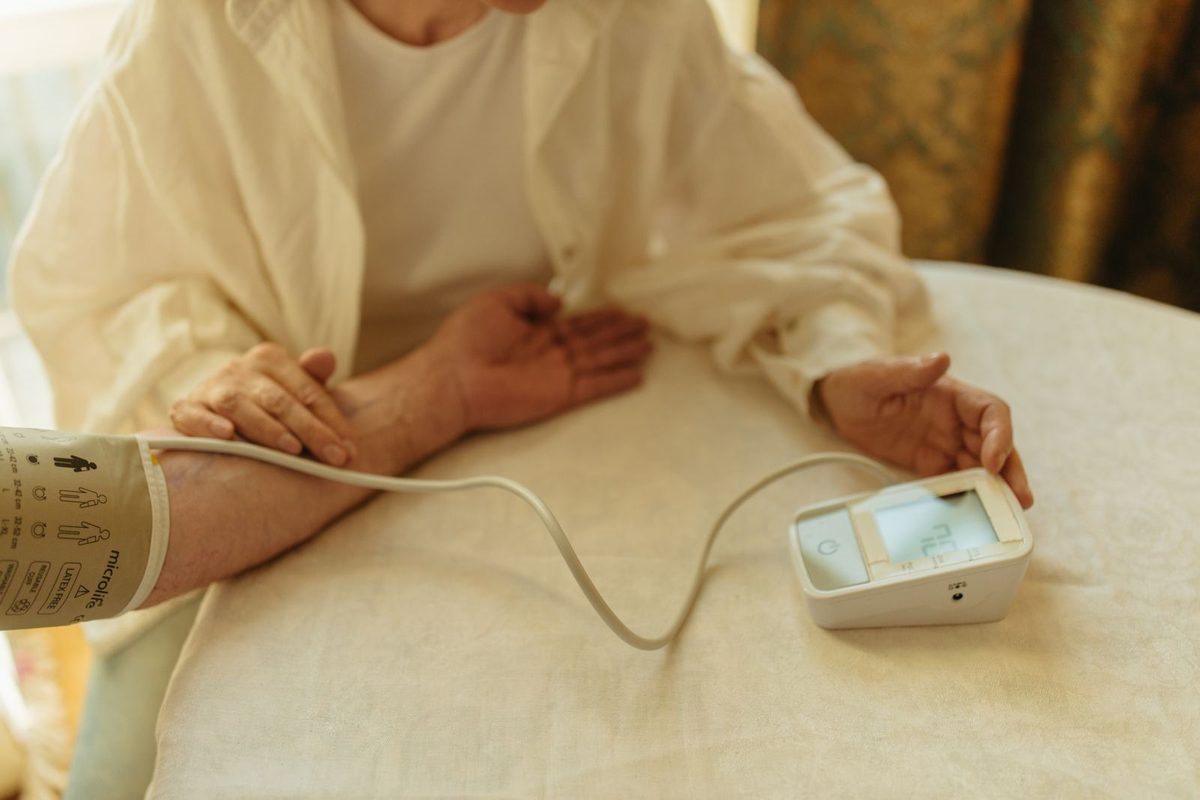
- No time to settle: measuring straight after walking in, climbing stairs or rushing raises the reading. Sit quietly for five minutes first.
- Caffeine, smoking or exercise: all three push pressure up for a while. Leave at least 30 minutes beforehand.
- A full bladder: it can add a few points. Go to the toilet first.
- Talking: chatting during the measurement raises it. Stay quiet until the monitor has finished.
- Wrong cuff or position: a cuff that is too small, worn over clothing, or an arm hanging down or unsupported all distort the result. So do crossed legs.
- Pain, anxiety or the white-coat effect: feeling nervous in a clinic can lift readings noticeably. Home readings help separate this from true high blood pressure.
- Some medicines and products: anti-inflammatory painkillers, decongestants and large amounts of liquorice can raise blood pressure over days and weeks.
Other factors raise blood pressure for the long term rather than for a single reading — salt, weight, inactivity, alcohol, stress and poor sleep. Our article on what causes high blood pressure looks at each of them in detail.
How high blood pressure affects health over time
Because it is silent, high blood pressure is easy to put to the back of your mind. What it does over the years is not. Persistently raised pressure is one of the leading risk factors for heart attacks, strokes and heart failure, as the heart works harder and the arteries narrow and stiffen.
It affects other organs too. The kidneys rely on thousands of tiny blood vessels that can be damaged by high pressure, leading to chronic kidney disease. The small vessels at the back of the eyes can thicken or leak. And in the brain, long-term high blood pressure is linked with vascular dementia as well as stroke.
The encouraging side deserves saying just as plainly. These risks build up over years, and they come down when blood pressure comes down — whether that is through lifestyle changes, medicine or, most often, both. Finding out early is what gives you that time.
What genuinely helps
Since you cannot rely on symptoms, the most useful things you can do are to know your numbers and to look after the habits that set them. Many people see their readings start to improve within a few weeks.
Get a check at your GP surgery or a pharmacy, or use a validated home monitor. Write readings down so you can see the pattern, not just the latest number.
Aim for no more than 6 g a day, about a level teaspoon. Most of it is hidden in bread, cereals, ready meals, processed meat, cheese and sauces.
Build towards at least 150 minutes of moderate activity a week, such as brisk walking or cycling, plus some strength work. Breathe normally rather than holding your breath when you strain.
For people carrying extra weight, losing even a few kilos tends to bring blood pressure down, especially if it comes off the waist.
Vegetables, fruit, wholegrains, beans, lentils, nuts and seeds, with less processed food. Cooking with herbs and spices helps you use less salt.
No more than 14 units a week, spread over three or more days, with several alcohol-free days. Regular heavier drinking raises blood pressure.
Each cigarette raises blood pressure for a while and damages the arteries. Stopping is one of the best things you can do for your heart, and the NHS offers free support.
Seven to nine hours of regular sleep and a daily wind-down help. Loud snoring with pauses in breathing can mean sleep apnoea, which is linked with high blood pressure.
A simple daily routine for steadier blood pressure
Three anchors, morning, midday and evening, are easier to keep than a long list of rules. If you have been asked to monitor at home, they also make your readings more reliable.
Measure before the day starts
If you are monitoring, take your reading after using the toilet and before breakfast, coffee or any medicines: sit for five minutes, then take two readings a minute apart. Then a glass of water and a breakfast that is not built on salty, processed food.
Step away and move
Take a proper break and walk for ten to twenty minutes. Choose a lunch with vegetables, pulses or wholegrains, and check labels on sandwiches and soups, which are often high in salt.
Second reading, then wind down
Repeat your two readings before the evening meal or before bed and note them down. Keep alcohol modest with several free nights a week, put screens away for the last hour and aim for the same bedtime most nights.
Common mistakes that let high blood pressure go unnoticed
Relying on how you feel
Waiting for headaches or dizziness before getting checked means waiting for something that may never come. The only way to know is to measure, regularly, from the age of 40 or earlier if you have risk factors.
Judging by a single reading
One high number after a rushed morning is not a diagnosis, and one normal number is not a clean bill of health. Look at the average of several readings taken properly over a week.
Stopping tablets because you feel fine
Blood pressure medicine does not make you feel different when it is working — that is the point. Stopping it suddenly can let pressure rise again. Any change should be made with your doctor.
Measuring the wrong way
Measuring straight after coffee, talking during the reading, using a cuff that is too small or resting your arm too low can all give misleading results. A validated upper-arm monitor, used the same way each time, is the most reliable option at home.
Putting up with side effects in silence
Dizziness when standing, tiredness, swollen ankles or a dry cough can be side effects of some blood pressure medicines. They are worth reporting: there is usually an alternative, and your doctor would rather know.
When to get help
Most high blood pressure is found and managed calmly, over weeks and months. But a small number of situations need help straight away, and it is worth knowing them before you ever need them (NHS: High blood pressure).
Call 999 if…
- a reading of 180/120 mmHg or more comes with chest pain, breathlessness, a severe headache, confusion or changes in vision,
- you notice the signs of stroke — Face drooping on one side, Arms that cannot both be lifted, Speech that is slurred or muddled: Time to call 999,
- you have sudden weakness or numbness on one side of the body, or sudden loss of vision or balance,
- you have chest pain that spreads to the arm, jaw, neck or back, or feels heavy or tight.
If you get a reading of 180/120 mmHg or more but feel well, sit quietly for five minutes and measure again. If it is still that high, contact your GP or NHS 111 the same day.
Book a GP appointment if…
- your home readings average 135/85 mmHg or more over a week,
- a pharmacy or clinic reading is 140/90 mmHg or more,
- you are over 40 and have not had your blood pressure checked in the last five years,
- you have been diagnosed and your readings are not coming down,
- you have side effects from blood pressure medicine, such as dizziness, tiredness or swollen ankles,
- you have frequent or heavy nosebleeds, or an optician has mentioned changes at the back of your eye.
A GP will usually confirm the diagnosis with home readings or a 24-hour monitor, and may arrange blood and urine tests and an ECG to check your kidneys, heart, cholesterol and blood sugar. This is the approach set out in the NICE guideline on hypertension in adults.
Editorial note
This page provides general information and practical everyday guidance. It does not replace a medical diagnosis, personalised advice or care from a healthcare professional. Never stop or change prescribed blood pressure medicine without speaking to your doctor.
Vitalvyn as part of a steadier daily routine
What keeps blood pressure in a healthy range is rarely one trick. It is a combination: regular checks, less salt, daily movement, food built around plants, alcohol kept in check, better sleep and, where needed, medical treatment — plus, if you want it, complementary nutritional support that is easy to keep up.
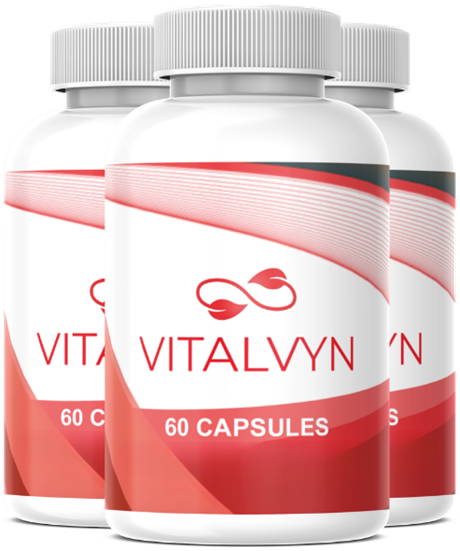
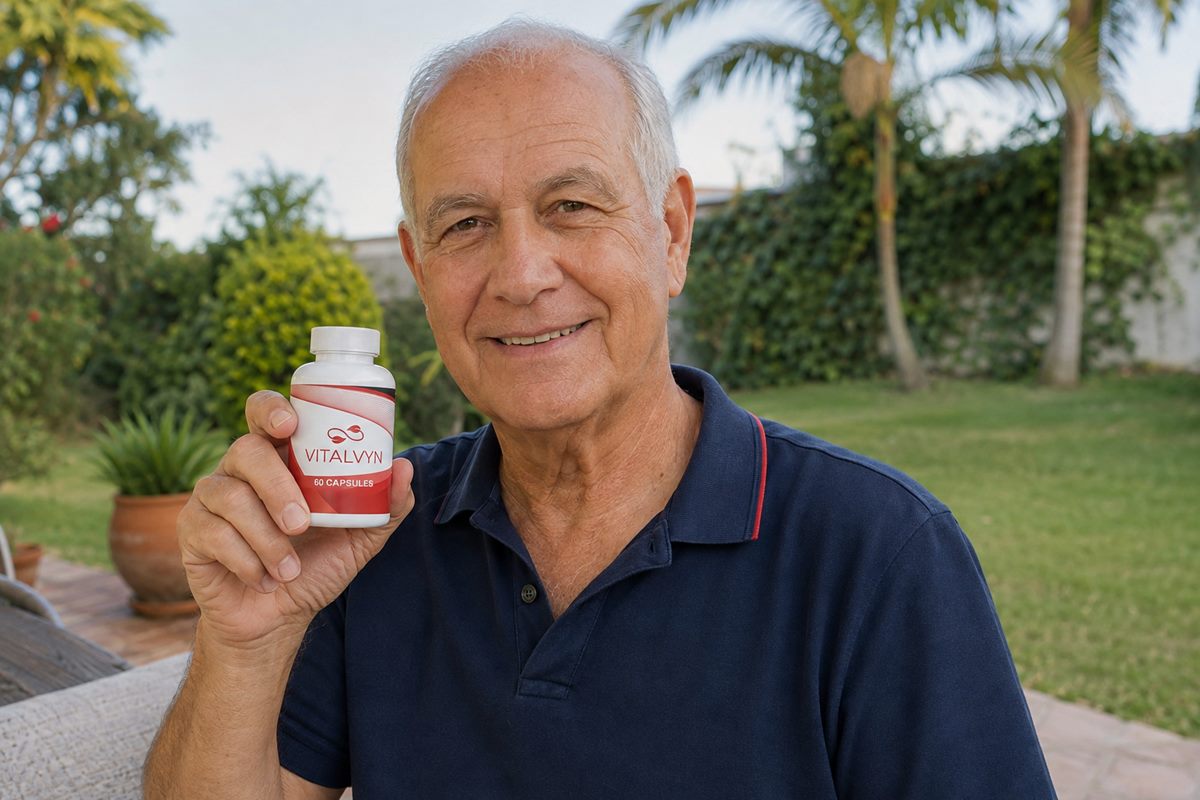
Vitalvyn is a food supplement for adults who want to look after their circulation as part of that routine. One capsule twice a day, 20 to 30 minutes before a meal with a glass of water. It is not a medicine, it does not treat high blood pressure and it does not replace anything your doctor has prescribed.
- Turmeric root powder (1,200 mg) and turmeric extract (100 mg, 95% curcuminoids) per two capsules, providing 96.8 mg of curcumin
- Black pepper extract, BioPerine® (10 mg, 95% piperine), included because piperine increases how much curcumin the body absorbs
- Every ingredient and amount printed on the label — no proprietary blend
Vitalvyn does not replace regular blood pressure checks or a GP assessment, particularly if your readings are high or you have any of the warning signs above. See the full label and how the product is sold on our transparency page.
What the research does and does not show
Curcumin, the most studied compound in turmeric, interests researchers because of its effects on inflammation and on the lining of the blood vessels. The results for blood pressure are mixed: a 2019 meta-analysis of 11 trials (Hadi et al., Pharmacological Research) found no significant overall effect, with a hint of benefit for systolic pressure in longer studies. Piperine was shown in a small 1998 study (Shoba et al., Planta Medica) to increase curcumin absorption considerably. That research looks at individual ingredients, not at the finished product, and no health claims are made for them.
Not suitable for anyone under 18 or for pregnant or breastfeeding women. Do not exceed two capsules a day. Turmeric and piperine can interact with some medicines, including blood thinners, antiplatelet drugs and diabetes treatments, so if you take regular medicines or have gallstones or a liver condition, check with your pharmacist or doctor first. Read more in our guide on whether turmeric helps blood pressure.
Frequently asked questions about high blood pressure symptoms
What are the symptoms of high blood pressure?
In most people, none. High blood pressure rarely causes noticeable symptoms, which is why the NHS recommends that every adult over 40 has it checked at least every five years. Very high blood pressure can occasionally cause severe headaches, blurred vision, chest pain or shortness of breath, and those need urgent medical attention. The only reliable way to know your blood pressure is to measure it.
Can high blood pressure cause headaches?
Ordinary headaches are very rarely caused by raised blood pressure, and most people with high blood pressure have no headaches at all. A sudden, severe headache together with a very high reading, confusion, vision changes or weakness is different: it can be a sign of a hypertensive emergency or a stroke and needs a 999 call.
Can high blood pressure make you dizzy or tired?
High blood pressure itself does not usually cause dizziness or tiredness. Dizziness is more often linked to blood pressure that is too low, including as a side effect of blood pressure medicines when standing up quickly, and tiredness has many everyday causes. Sudden dizziness with loss of balance, slurred speech or weakness on one side can be a sign of stroke and needs a 999 call.
Do nosebleeds or a red face mean high blood pressure?
Not usually. Nosebleeds are common and are mostly caused by dry air, colds, nose-blowing or minor injury, and a flushed face is more often linked to heat, alcohol, exercise or emotion. Neither tells you what your blood pressure is. Frequent or heavy nosebleeds are still worth mentioning to a GP, who may check your blood pressure at the same time.
What blood pressure reading is an emergency?
A reading of 180/120 mmHg or more is very high. If it comes with chest pain, breathlessness, a severe headache, confusion, changes in vision, or weakness, numbness or drooping on one side of the face or body, call 999. If you have a reading that high without symptoms, sit quietly for five minutes, measure again and contact your GP or NHS 111 the same day.
How can I check my blood pressure at home accurately?
Use a validated upper-arm monitor with a cuff that fits your arm. Avoid caffeine, smoking and exercise for 30 minutes beforehand, empty your bladder, then sit quietly for five minutes with your back supported, feet flat and your arm resting at heart level. Take two readings a minute apart, morning and evening, for about a week, and share the full record with your GP.
When should I see a GP about my blood pressure?
Book an appointment if your home readings average 135/85 mmHg or more, if a pharmacy or clinic reading is 140/90 mmHg or more, if you are over 40 and have not been checked in the last five years, or if you have side effects from blood pressure medicine such as dizziness. Never stop or change prescribed medicine without speaking to your doctor first.
Further reading: NHS: High blood pressure · NHS: Stroke symptoms · NICE: Hypertension in adults (NG136) · BIHS: Validated blood pressure monitors
Studies mentioned: Hadi A et al. “The effect of curcumin/turmeric on blood pressure modulation: a systematic review and meta-analysis.” Pharmacol Res 2019 (PMID 31647981). Shoba G et al. “Influence of piperine on the pharmacokinetics of curcumin in animals and human volunteers.” Planta Med 1998 (PMID 9619120).
Know your numbers, then build steadier habits
Vitalvyn can complement a routine built on regular checks, less salt, daily movement and good sleep. It does not lower blood pressure on its own and does not replace prescribed treatment. If your readings are high or you notice warning signs, medical advice comes first.
Find out more about VitalvynVitalvyn is a food supplement, not a medicine. It is best viewed realistically: as one part of a routine, not as a promise.
Wondering whether Vitalvyn is legitimate? Read our transparency article: Is Vitalvyn a scam or legit?