
Understanding blood pressure beyond quick tips
It rarely announces itself. There is no pain, no warning light, no obvious day when things changed. You feel fine — and then a routine check, a new prescription or an insurance medical turns up a number with a “1” and a “4” at the front. Sooner or later a search engine offers the answer: lower your blood pressure in seven days, usually followed by an advert for a juice, a gadget or a capsule.
The reality is less dramatic and more encouraging. Blood pressure tends to creep up with age, but a large part of what drives it is within reach: salt, weight, movement, alcohol, smoking, stress and sleep. Change those, and the numbers usually follow — sometimes by as much as a first blood pressure tablet would. That, not any single trick, is what “lowering blood pressure naturally” really means.
That is also why there is rarely one fix. What works best is a combination: measuring properly so you know where you stand, a handful of habits done consistently, honest attention to the things that push readings up, medical treatment when it is needed and, for some people, sensible nutritional support alongside it.
What your blood pressure numbers mean
Blood pressure is the force your blood exerts against the walls of your arteries as the heart pumps it around the body. It is recorded as two numbers in millimetres of mercury (mmHg). The first, systolic pressure, is the peak as the heart beats. The second, diastolic pressure, is the lowest point as the heart relaxes between beats. A reading of 128/82 means a systolic pressure of 128 and a diastolic pressure of 82.
According to the NHS, ideal blood pressure sits between 90/60 and 120/80 mmHg. A reading of 140/90 mmHg or more at a surgery or pharmacy — or an average of 135/85 mmHg or more measured at home, where readings tend to be a little lower — is considered high. Anything in between is not a diagnosis, but it is a clear sign that it is time to act before the numbers climb further.
Why it matters: years of raised pressure strain the heart and stiffen and damage the arteries. High blood pressure is one of the biggest risk factors for heart attacks, strokes, heart failure, kidney disease and vascular dementia. The British Heart Foundation estimates that around a third of adults in the UK have high blood pressure, and a large number of them do not know it. The good news runs the other way too: every few points you bring it down lowers that risk.
Why high blood pressure is called a “silent” condition
- Headaches – usually not caused by raised blood pressure, except when it is very high
- A red face or feeling hot – more often linked to heat, alcohol, exercise or emotion than to blood pressure
- Dizziness – is more commonly a side effect of blood pressure medicine or of pressure that is too low
- Nosebleeds – rarely a sign of high blood pressure on their own
- Feeling stressed or tense – does not tell you what your blood pressure is; only a measurement does
The important point: you cannot feel your way to a blood pressure reading. Very high blood pressure can occasionally cause severe headaches, blurred vision, chest pain or shortness of breath — and those need urgent attention — but in the vast majority of people it causes nothing at all until damage has been done. We go through the signs worth knowing, and the ones that are myths, in our guide to high blood pressure symptoms.
What really pushes blood pressure up?
For about nine in ten people with high blood pressure there is no single cause. Doctors call this “essential” or primary hypertension: a gradual build-up of factors that each add a few points. Some cannot be changed, but several of the biggest can.
Common contributing factors include:
- Too much salt, most of it hidden in bread, breakfast cereals, ready meals, processed meat, cheese, sauces and takeaways
- Excess weight, particularly around the waist, which makes the heart work harder and affects the hormones that regulate pressure
- Too little physical activity and long hours spent sitting
- Regular or heavy drinking, which raises blood pressure over time
- Smoking, which raises pressure for a while after every cigarette and damages the artery walls
- Long-term stress and poor sleep, including untreated sleep apnoea
- Certain medicines and products, such as anti-inflammatory painkillers (ibuprofen, naproxen), decongestants, some contraceptive pills, steroids and large amounts of liquorice
- Age, family history and ethnic background – risk rises with age and is higher in people of Black African, Black Caribbean or South Asian heritage
- Other conditions, such as kidney disease, diabetes or hormonal problems, which cause a smaller group of cases known as secondary hypertension
Because these factors combine so differently from person to person, general advice only goes so far. The detailed breakdown, factor by factor, is in our guide to what causes high blood pressure.
Where turmeric fits in — and where it does not
Turmeric, and its best-studied compound curcumin, comes up in almost every conversation about natural blood pressure support. Researchers are interested because curcumin appears to influence inflammation and the lining of the blood vessels, the endothelium, which helps arteries relax. Curcumin is also very poorly absorbed on its own, which is why it is often paired with piperine, a compound from black pepper.
The honest summary is that the research is promising but not settled. A 2019 meta-analysis of 11 trials (Hadi et al., Pharmacological Research) found no significant overall effect on blood pressure, with a hint of benefit for systolic pressure in longer studies; some later analyses have reported small reductions of around 2 mmHg. That is interesting, but it is not a replacement for the habits below, or for medication. We look at the studies, doses and safety questions in detail in our guide on whether turmeric helps blood pressure.
How to lower blood pressure naturally: everyday habits that help
There is no single trick, food or drink that resets blood pressure overnight. What the evidence does support is a short list of everyday changes that, together, can bring readings down meaningfully — and that, not by coincidence, also protect the heart, the brain and the kidneys in their own right.
The measures that work best are the ones you can keep up: less salt, more movement, a healthier waistline, food built around plants, honesty about alcohol, and a plan for stress, sleep and smoking.
1. Cut back on salt
Salt makes the body hold on to more water, which raises the volume of blood the heart has to push around. Reducing it is one of the most reliable ways to lower blood pressure. In the landmark DASH-Sodium trial (Sacks et al., New England Journal of Medicine, 2001), cutting salt lowered blood pressure at every stage of the study, in people with and without high blood pressure, and the effect was largest when lower salt was combined with a healthier overall diet.
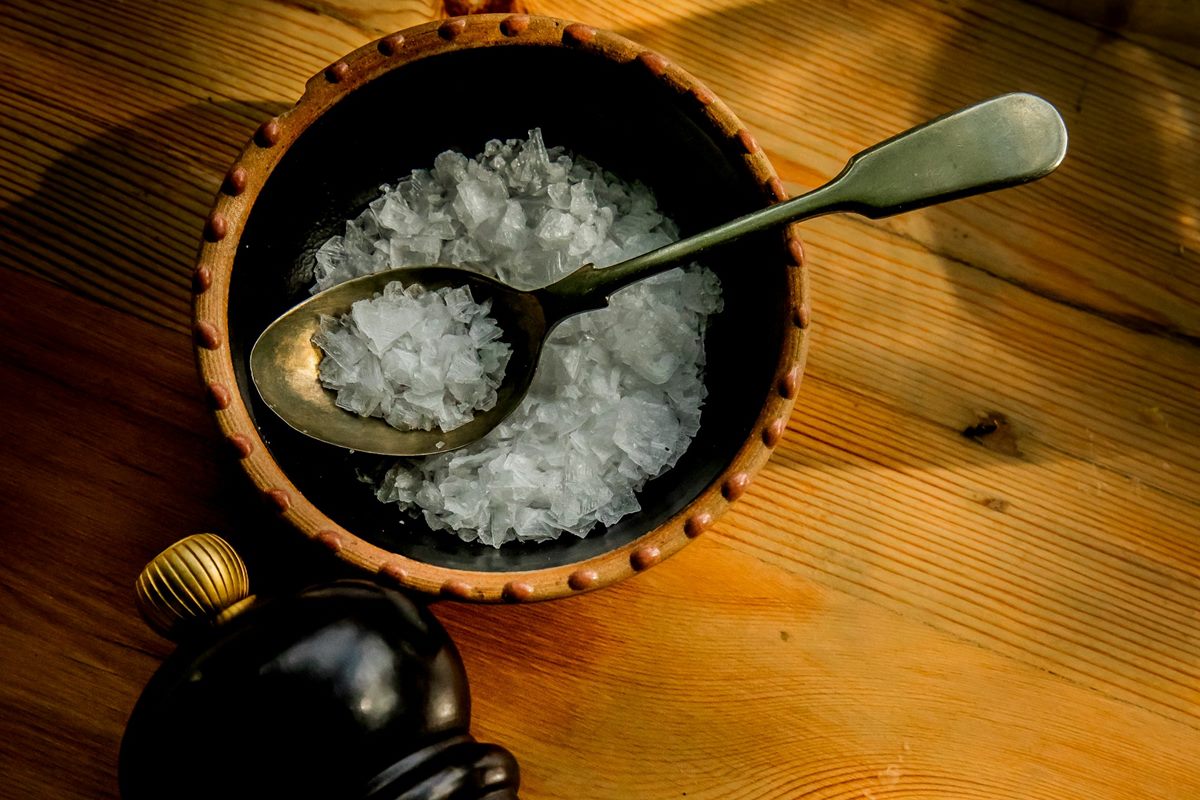
- Aim for no more than 6 g of salt a day — about a level teaspoon — in line with NHS advice
- Check labels: more than 1.5 g of salt per 100 g is high; 0.3 g or less is low
- Watch the big hidden sources: bread, cereals, ready meals, soups, processed meat, cheese, crisps, sauces and takeaways
- Cook with herbs, spices, garlic, lemon and black pepper instead; your taste buds adjust within a few weeks
2. Move more — and try a wall sit
Regular activity makes the heart more efficient and helps the blood vessels stay flexible. A 2023 analysis of 270 trials and almost 16,000 people (Edwards et al., British Journal of Sports Medicine) found that every type of exercise studied lowered resting blood pressure. Aerobic exercise, strength training and high-intensity intervals all helped, and the largest average drop came from isometric exercise — holding a position under tension, such as a wall squat or a plank — at roughly 8/4 mmHg.

- Follow the NHS guideline of at least 150 minutes of moderate activity a week, such as brisk walking, cycling or swimming
- Add strength exercises on at least two days a week
- Isometric work can be simple: a wall squat held for up to two minutes, repeated four times with rests, a few days a week
- Breathe normally — never hold your breath while straining — and build up gradually
- If your blood pressure is very high or you have a heart condition, ask your GP before starting anything strenuous
3. Lose excess weight, especially around the waist
For people carrying extra weight, this is one of the most powerful levers there is. A meta-analysis of 25 randomised trials (Neter et al., Hypertension, 2003) found that blood pressure fell by roughly 1 mmHg for every kilogram lost, with bigger drops in people who lost more than 5 kg.
A realistic approach:
- Measure your waist at the level of your belly button: more than 94 cm (37 inches) for men or 80 cm (31.5 inches) for women is a sign that it is worth working on
- Aim for steady loss of around 0.5 to 1 kg a week through smaller portions and fewer ultra-processed foods and sugary drinks
- Keep moving while you lose weight; the two together work better than either alone
4. Eat the DASH way
DASH stands for Dietary Approaches to Stop Hypertension. It is not a branded diet but an eating pattern, tested in large trials, that lowers blood pressure in its own right — and works even better alongside less salt.
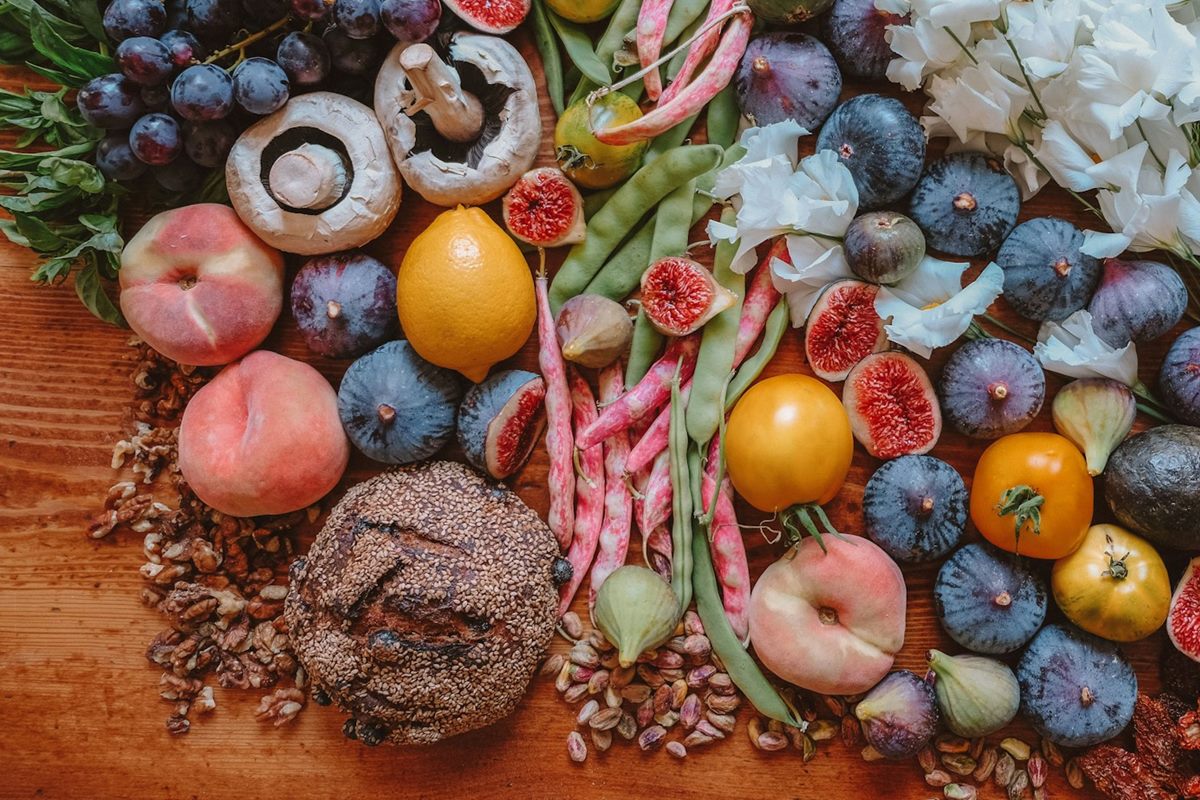
- Plenty of vegetables and fruit — at least five portions a day, ideally more
- Wholegrains, beans, lentils, nuts and seeds in place of refined carbohydrates
- Lower-fat dairy, fish and poultry, with less red and processed meat
- Potassium-rich foods such as beans, leafy greens, potatoes in their skins, bananas and tomatoes, which help balance the effect of salt. If you have kidney disease or take certain blood pressure medicines, ask your doctor before increasing potassium or using salt substitutes
- Fewer sugary foods and drinks
Spices are a useful part of this. Turmeric, ginger, garlic, cumin and black pepper add flavour without salt — one of the simplest reasons to cook with them more often.
5. Be honest about alcohol (and sensible with caffeine)
Drinking more than the recommended limits raises blood pressure over time, and it adds calories that tend to settle around the waist. In regular heavier drinkers, cutting down lowers blood pressure within weeks. The occasional drink is not the issue; the nightly habit often is.
- Keep to the UK low-risk guideline of no more than 14 units a week, spread over three or more days
- Have several alcohol-free days every week
- Caffeine causes a short rise in blood pressure; for most people a few cups of coffee or tea a day is fine, but avoid a strong coffee in the 30 minutes before you measure
6. Take stress, sleep and smoking seriously
Stress raises blood pressure in the moment, and long-term stress tends to drag other habits with it: shorter sleep, more drinking, comfort eating and less exercise. Poor sleep matters in its own right, and sleep apnoea — loud snoring with pauses in breathing — is strongly linked with high blood pressure. Smoking does not cause long-term hypertension in the same way, but every cigarette raises pressure for a while and damages the arteries, multiplying the risk that high blood pressure brings.
- Build a daily wind-down: a walk after dinner, a set time to stop checking emails, ten minutes of slow breathing
- Aim for seven to nine hours of sleep, at roughly the same times each day
- If you snore loudly or wake gasping, see a GP: treating sleep apnoea can help blood pressure
- If you smoke, stopping is the single best thing you can do for your heart; the NHS offers free support
7. Consider natural support with care
Some people complement their routine with a food supplement — turmeric with black pepper extract is one of the most popular choices. That can be a sensible part of a healthy routine, but it is not a substitute for less salt, more movement and a healthier weight, and it is not a treatment for high blood pressure.
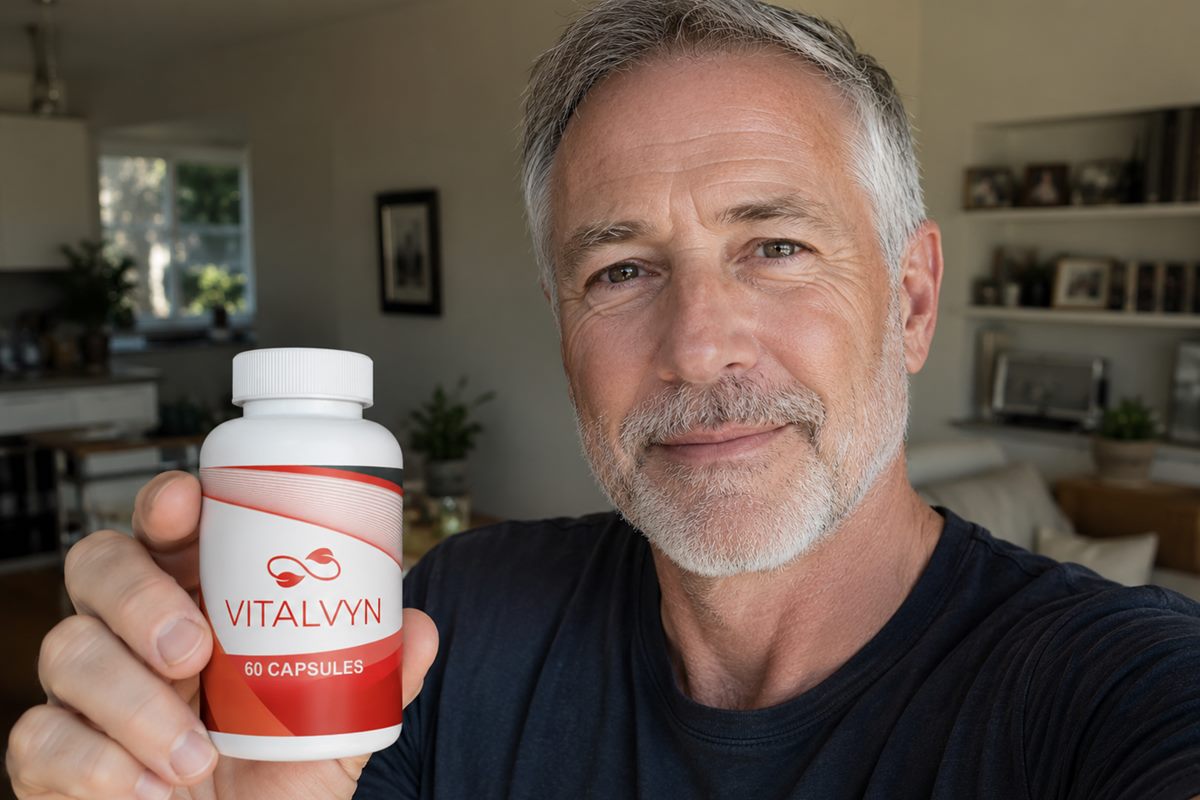
Be especially cautious with products sold online that promise to “cure” or “normalise” blood pressure, hide their doses in a proprietary blend or tell you that you can stop your medication. Look for a full ingredient list with every amount printed on the label. Turmeric and piperine can interact with some medicines, including blood thinners, antiplatelet drugs and diabetes treatments, so if you take prescription medicines or have a medical condition, ask a doctor or pharmacist before starting. You can read exactly what is in Vitalvyn, and what the research on each ingredient does and does not show, on our transparency page.
When to get your blood pressure checked — and when to see a doctor
Because high blood pressure rarely causes symptoms, the only way to know is to measure it. The NHS recommends that every adult over 40 has their blood pressure checked at least every five years, and more often if it has been high before. In England, many pharmacies offer free checks for adults over 40, and people aged 40 to 74 are invited for an NHS Health Check.
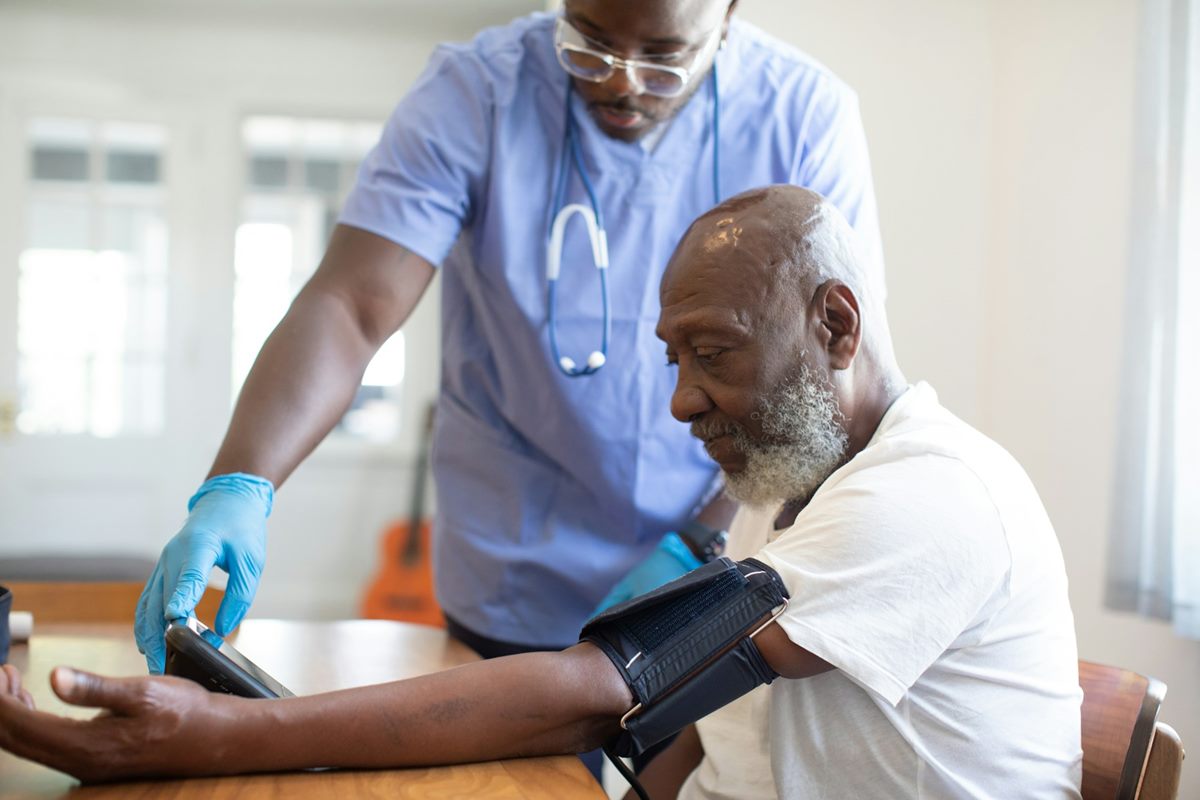
How to measure at home properly:
- Use a validated upper-arm monitor (the British and Irish Hypertension Society publishes a list) with a cuff that fits your arm
- Avoid caffeine, smoking and exercise for 30 minutes beforehand, and empty your bladder
- Sit quietly for five minutes with your back supported, feet flat on the floor and your arm resting at heart level
- Take two readings a minute apart, morning and evening, for about a week, and write them all down
Book a GP appointment if your home readings average 135/85 mmHg or more, if a clinic or pharmacy reading is 140/90 mmHg or more, or if you have been diagnosed and your readings are not coming down. Your doctor may check your kidneys, cholesterol and blood sugar, and an ECG, to see the full picture. If medicine is recommended, it is not a failure: for many people it is the most effective way to protect the heart and brain, and lifestyle changes still add to its effect.
Call 999 if a reading of 180/120 mmHg or more comes with chest pain, breathlessness, a severe headache, confusion, changes in vision, or weakness, numbness or drooping on one side of the face or body. These can be signs of a heart attack, a stroke or a hypertensive emergency.
Frequently asked questions about lowering blood pressure
How can I lower my blood pressure naturally?
The habits with the best evidence are cutting salt to no more than 6 g a day, being active for at least 150 minutes a week, losing excess weight, eating plenty of vegetables, fruit, wholegrains and pulses, keeping alcohol within 14 units a week, stopping smoking and getting on top of stress and sleep. Combined, they can lower readings by a similar amount to a blood pressure tablet in some people. They support treatment rather than replace it, so never stop prescribed medicine without speaking to your doctor.
What is a normal blood pressure reading?
The NHS describes ideal blood pressure as between 90/60 mmHg and 120/80 mmHg. A reading of 140/90 mmHg or more at a clinic, or an average of 135/85 mmHg or more at home, is considered high. Readings between 120/80 and 140/90 are a sign that it is worth acting on your lifestyle before blood pressure rises further.
Does high blood pressure cause symptoms?
Usually not. Most people with high blood pressure feel completely well, which is why it is often called a silent condition and why the only way to know your blood pressure is to measure it. Very high blood pressure can occasionally cause headaches, blurred vision, chest pain or shortness of breath, and those need urgent medical attention.
How quickly can lifestyle changes lower blood pressure?
Some changes act within weeks. In the DASH-Sodium trial, a lower-salt diet reduced blood pressure within the 30-day feeding periods, and regular exercise usually shows an effect within one to three months. Weight loss lowers blood pressure steadily as the kilos come off. The key is keeping the changes going, because the benefit fades if the old habits return.
Which foods help lower blood pressure?
An eating pattern matters more than any single food. The DASH approach, rich in vegetables, fruit, wholegrains, pulses, nuts and low-fat dairy and low in salt, processed meat and sugary foods, has the strongest evidence. Potassium-rich foods such as beans, leafy greens, potatoes and bananas help balance the effect of salt, although people with kidney disease or on some blood pressure medicines should check with their doctor before increasing potassium.
Does turmeric lower blood pressure?
The evidence is mixed. Meta-analyses of small trials have found no clear overall effect, with some signs of a modest benefit when curcumin or turmeric is taken for 12 weeks or longer. Turmeric is not a treatment for high blood pressure and should not replace medication or lifestyle changes. Turmeric supplements can also interact with blood thinners and some other medicines, so ask a doctor or pharmacist first.
Can I stop my blood pressure tablets if my readings improve?
Not on your own. Good readings while you are taking medicine usually mean the medicine is working. Some people who make big lifestyle changes are able to reduce or stop treatment, but that decision should always be made with your doctor, who can monitor your blood pressure as any change is made.
When should I see a doctor about my blood pressure?
Book an appointment if your home readings average 135/85 mmHg or more, if a pharmacy or clinic reading is 140/90 mmHg or more, or if you are over 40 and have not had your blood pressure checked for five years. Call 999 if a reading of 180/120 mmHg or more comes with chest pain, breathlessness, a severe headache, confusion, changes in vision or weakness on one side of the body.
- NHS — High blood pressure (hypertension)
- NHS — Salt: the facts
- NHS — Physical activity guidelines for adults aged 19 to 64
- NICE — Hypertension in adults: diagnosis and management (NG136)
- British and Irish Hypertension Society — Validated blood pressure monitors
Studies mentioned: Sacks FM et al. “Effects on blood pressure of reduced dietary sodium and the Dietary Approaches to Stop Hypertension (DASH) diet.” N Engl J Med 2001 (PMID 11136953). Edwards JJ et al. “Exercise training and resting blood pressure: a large-scale pairwise and network meta-analysis of randomised controlled trials.” Br J Sports Med 2023 (doi 10.1136/bjsports-2022-106503). Neter JE et al. “Influence of weight reduction on blood pressure: a meta-analysis of randomized controlled trials.” Hypertension 2003 (PMID 12975389). Hadi A et al. “The effect of curcumin/turmeric on blood pressure modulation: a systematic review and meta-analysis.” Pharmacol Res 2019 (PMID 31647981).
Vitalvyn as complementary support in everyday life
Most people do not need a miracle. They need a routine that holds: less salt, regular movement, a healthier waistline, food built around plants, less alcohol, better sleep and a lid on stress — with regular checks and, where needed, medical treatment alongside it.
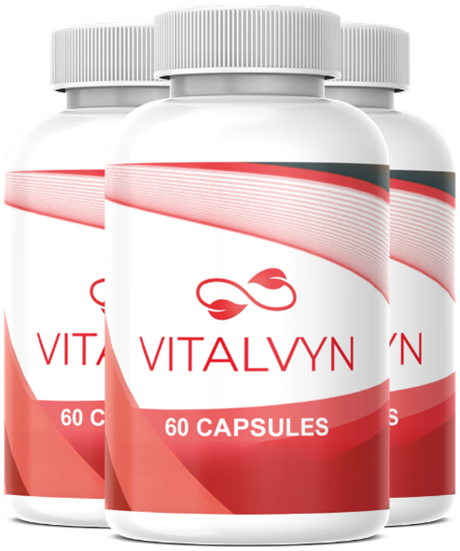
Vitalvyn is a food supplement for adults who want to look after their circulation as part of that routine. It is not a medicine, it does not treat high blood pressure and it does not replace anything your doctor has prescribed. It is easy to build into your day: one capsule twice a day, 20 to 30 minutes before a meal with a glass of water. Each bottle holds 60 capsules, enough for 30 days.
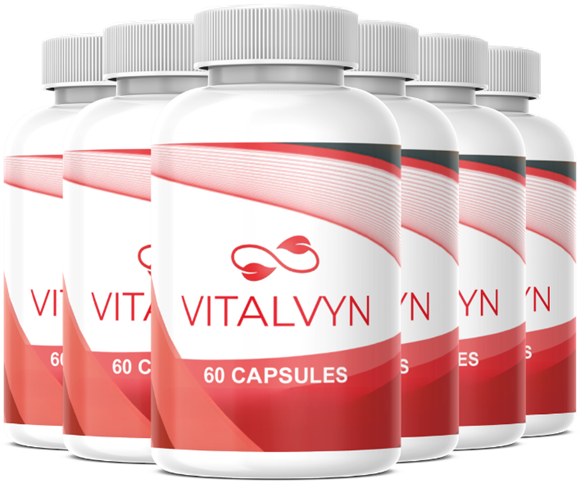
Two capsules provide:
- Turmeric root powder (1,200 mg) – the whole spice, Curcuma longa, as used in cooking for centuries
- Turmeric extract (100 mg, standardised to 95% curcuminoids) – providing 96.8 mg of curcumin, the compound most studied in turmeric research
- Black pepper extract, BioPerine® (10 mg, standardised to 95% piperine) – included because piperine has been shown to increase how much curcumin the body absorbs
Where researchers have studied curcumin and blood pressure, the results have been mixed, and they have looked at individual ingredients and doses — not at this finished product. Every ingredient and every amount is printed on the label, with nothing hidden behind a proprietary blend. You can read the full label, the research behind each ingredient and who should not take it on the Vitalvyn transparency page.
Discover Vitalvyn
as daily support.
Learn more about Vitalvyn
Vitalvyn is a food supplement, not a medicine. It can complement a routine built on less salt, regular activity, a healthy weight and regular blood pressure checks. It does not replace prescribed treatment: never stop or change your blood pressure medicine without speaking to your doctor.
Wondering whether Vitalvyn is legitimate? Read our transparency article: Is Vitalvyn a scam or legit?